One Lucky Nurse Sublimation Design: A Designer’s Review
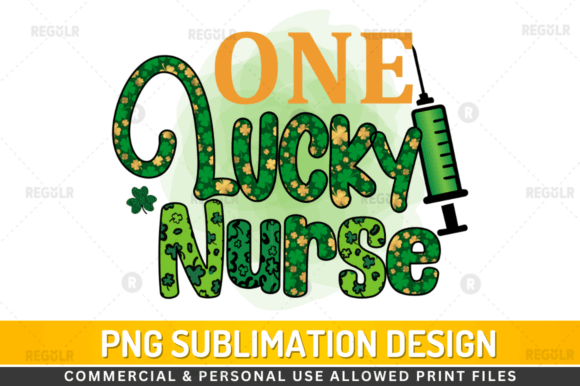
As an experienced embroidery designer and product reviewer, I approach every new digital asset with a critical eye. We are not just looking for pretty pictures; we are looking for viability. Can this design survive the needle? Will it hold up on a textured fabric? Does it translate well from screen to stitch? Today, I am evaluating One Lucky Nurse Sublimation Design, a popular graphic in the Crafts and Graphics category, to determine its true potential for real-world embroidery projects.
My first impression of this design is one of warmth and professional pride. The theme centers on nursing, a profession that demands both technical skill and deep empathy. Visually, the layout feels balanced, with a clear focal point that draws the eye immediately. For those of us who work in machine embroidery, this initial visual clarity is crucial. If a design looks cluttered on a screen, it will likely become a tangled mess of thread on fabric. Fortunately, this piece maintains a clean silhouette, suggesting it could adapt well to various stitching techniques, provided we make the right adjustments.
From Digital File to Stitched Reality
The product description notes that this is a downloadable PNG file intended for sublimation printing. However, many of my clients—Etsy sellers, small shop owners, and creative entrepreneurs—often ask if they can use these high-resolution graphics as a basis for custom embroidery. The answer is yes, but with caveats. Using a raster image like a PNG requires digitizing, which is the process of converting pixels into stitches. This is where the rubber meets the road.
I recently worked on a custom order for a local clinic wanting personalized gifts for their staff. They loved the sentiment behind the "One Lucky Nurse" theme. I used this graphic as a reference to create a custom machine embroidery design. The result was a charming embroidered patch applied to a durable canvas tote bag. The key was simplifying the finer details. In embroidery, less is often more. Tiny elements that look crisp in a digital printable mockup can disappear or bunch up when stitched with thread.
For apparel decorators and handmade product creators, this design shines brightest on larger surface areas. I recommend using it for sweatshirt embroidery, apron accents, or pillow covers. These items provide enough space for the design to breathe. When working on a tote bag design, the flat, stable surface allows for higher stitch density without causing puckering. The visual personality of the design—friendly yet professional—makes it an excellent choice for boutique branding or holiday gifts for healthcare workers.
Navigating Fabric and Hoop Constraints
While the aesthetic appeal is strong, practical application requires careful consideration of materials. Not all fabrics behave the same way under the needle. If you are planning to use this concept for baby embroidery or delicate garments, you must be cautious. Thin or stretchy fabrics require a robust stabilizer to prevent distortion. Without proper support, even a well-digitized design can pull the fabric out of shape, ruining the finished product.
Curved surfaces present another challenge. Applying this design to a cap or hat requires a different approach than flat items. The curvature of a baseball cap can distort wide designs. In such cases, I advise breaking the design into smaller components or using an applique technique. An applique design involves stitching a piece of fabric onto the garment and then embroidering over the edges. This reduces stitch count and bulk, making it ideal for headwear or lightweight jackets. It also adds a tactile dimension that customers love in personalized gifts.
Dark fabrics pose a visibility issue. If you are stitching on navy scrubs or black sweatshirts, thread color contrast becomes paramount. You cannot rely on the white background of the original PNG. Instead, you must choose bright, high-contrast thread colors. A satin stitch border in white or gold can help define the shape against dark backgrounds, ensuring the message remains legible. Always test your thread choices on scrap fabric before committing to the final piece. This simple step saves time, money, and frustration.
Commercial Viability and Brand Consistency
For Etsy sellers and digital product sellers, the value of a design lies not just in its beauty, but in its marketability. Does it sell? The nursing niche is evergreen, with consistent demand for personalized gear, retirement gifts, and nurse week celebrations. By incorporating this theme into your craft business, you tap into a loyal customer base. However, professionalism is key. Sloppy stitching or poor digitizing can damage your brand reputation.
When creating commercial embroidery projects, consistency is vital. If you offer this design on multiple products, ensure the scale and placement remain consistent. A design that looks perfect on a large blanket might look cramped on a small pocket. Use hoop size guidelines to plan your layout. Standard hoops range from 4x4 inches to larger formats. Ensure your digitized version fits comfortably within your chosen hoop, leaving enough margin for the frame to grip the fabric securely.
It is also important to address licensing. The product description states this is a PNG for print-on-demand and home printing. It does not explicitly grant rights for commercial embroidery sales of the digitized file itself. As a responsible designer, I always advise checking the specific license terms before selling finished items or distributing digital embroidery files. Respecting intellectual property protects your business and fosters trust within the creative community.
Practical Tips for Success
To get the best results from this design concept, follow these practical steps:
- Digitize with care: Do not simply auto-digitize the PNG. Manual adjustment of stitch types is necessary. Use fill stitches for larger areas and satin stitches for borders to create definition.
- Check stitch density: High density can cause fabric stiffness. Adjust your settings to balance coverage with flexibility, especially for wearable items like t-shirts.
- Test on similar fabrics: Before stitching the final product, run a test on the same type of fabric and stabilizer combination. This reveals any tension issues or registration errors.
- Consider thread sheen: Polyester threads offer durability and shine, suitable for frequent washing. Cotton threads provide a matte, vintage look but may fade faster. Choose based on the intended use of the finished product.
- Mockup in black and white: Remove color from your digital preview to check for contrast and clarity. If the design loses its shape in grayscale, it needs more definition in the digitizing phase.
In conclusion, One Lucky Nurse Sublimation Design offers a solid foundation for creative embroidery projects. While it originates as a print-ready graphic, its thematic strength and visual balance make it a versatile candidate for digitization. Whether you are creating a heartfelt personalized gift, expanding your small shop product line, or designing custom apparel for a healthcare team, this motif resonates. By respecting the technical limitations of embroidery and applying thoughtful digitizing practices, you can transform this digital asset into a tangible, high-quality piece of art. Remember, the goal is not just to stitch a design, but to create a lasting impression that honors the wearer and showcases your craftsmanship.