Reviewing the Nurse Queen & Angel Retro Design
As a designer who has spent years translating digital concepts into thread, I approach every new machine embroidery design with a mix of curiosity and skepticism. We have all seen designs that look crisp on a screen but turn into a tangled mess of bobbin thread once they hit the fabric. Recently, I had the chance to evaluate the Nurse Both Queen and Angel Retro Design, and I want to share my practical insights for fellow crafters, Etsy sellers, and apparel decorators considering this asset for their next project.
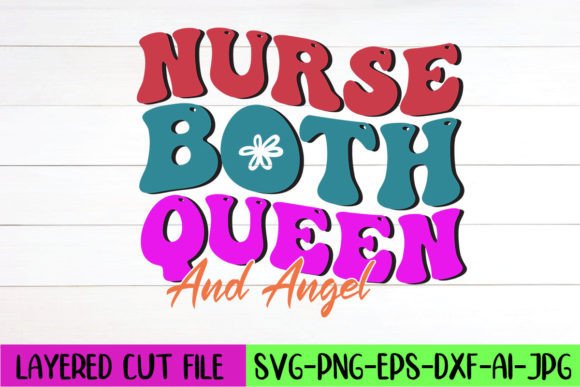
The first impression of this piece is its strong thematic duality. It captures the essence of nursing not just as a profession, but as a vocation that balances authority with compassion. The "Queen" aspect suggests leadership and resilience, while the "Angel" motif speaks to care and gentleness. From a visual personality standpoint, the retro styling gives it a timeless appeal, avoiding the sterile or overly clinical look that sometimes plagues medical-themed graphics. For an embroidery project, this mood is crucial because it connects emotionally with the wearer, whether they are a seasoned RN, a nursing student, or someone buying a personalized gift for a healthcare hero.
Real-World Application: The Custom Tote Test
To truly understand how a design performs, you have to imagine it in a real-life scenario. I visualized this design stitched onto a heavy-duty canvas tote bag design intended for a nurse’s weekly shift essentials. The layout of the Nurse Both Queen and Angel Retro Design is balanced enough to sit centrally on a standard 15-inch tote without feeling cramped. The retro lines provide clear boundaries for stitching, which is essential for maintaining clarity on textured fabrics like canvas or denim.
If you are an Etsy seller or run a small shop product line, this versatility is a major selling point. The design translates well beyond bags. Imagine it as a chest pocket accent on a scrub top, a bold statement on the back of a sweatshirt embroidery piece, or even a delicate addition to a baby embroidery item for a newborn whose parent is in the medical field. The emotional resonance of the "Angel" component makes it particularly suitable for holiday embroidery gifts or appreciation presents during Nurses Week.
Technical Considerations for Stitching
While the aesthetic is strong, we must discuss the technical execution. Since this product is marketed primarily as a set of vector and raster files—including SVG, PNG, EPS, AI, JPG, and DXF—it is important to clarify its origin. These formats are typically used for cutting machines like Cricut or Silhouette, or for graphic design in Adobe Illustrator. If you are planning to use this as a direct digital embroidery file for a machine, you will likely need to convert these vectors into stitch data using embroidery software, or ensure you are purchasing a version that includes PES, DST, or JEF formats if available from the creator.
Assuming you are digitizing this from the provided SVG or AI layers, pay close attention to stitch density. Retro designs often feature bold shapes that can benefit from fill stitch techniques, but be cautious of creating areas that are too dense. High density can cause puckering, especially on lighter fabrics. For a professional finished product, I recommend using a medium-weight cut-away stabilizer to support the design, particularly if you are stitching on stretchy materials like jersey knits used in scrubs or t-shirts.
Another critical factor is detail management. The "Queen" crown elements and any wing details from the "Angel" motif must be scaled appropriately. If you are working with a small hoop size, such as a 4x4 inch hoop for an embroidered patch, you may need to simplify the smallest lines to prevent thread breaks or poor registration. Always test the design on scrap fabric first. Check how the thread colors interact; high contrast between the design and the fabric background ensures the retro style pops, while low contrast can make the details disappear.
Navigating Fabric and Surface Challenges
Not every surface is created equal. When applying this design to curved surfaces like caps or hats, the stability of the backing becomes paramount. A stiff buckram stabilizer is non-negotiable here. Additionally, be mindful of textured fabric interactions. On terrycloth towels or fluffy blankets, the finer details of the retro design might get lost. In these cases, consider using an appliqué technique where the design is cut from fabric and then stitched down, rather than relying solely on satin or fill stitches. This not only solves the visibility issue but also adds a tactile dimension to your handmade product.
Dark fabrics present another challenge. If you are stitching on navy or black scrubs, ensure your thread palette is vibrant enough to stand out. Metallic threads could be an interesting choice for the "Queen" crown element to add a touch of luxury, but test them carefully as they can be prone to breaking. For a more subtle look on dark garments, consider using a lighter underlay stitch to create a base before applying the top threads.
Commercial Viability and Brand Consistency
For commercial embroidery professionals and craft business owners, the value of a design lies in its marketability. The Nurse Both Queen and Angel Retro Design fits neatly into the niche of professional pride merchandise. It allows buyers to express their identity without being overly generic. This specificity builds customer trust and enhances brand consistency if you are developing a line of medical-themed apparel.
However, always verify licensing terms. While the product description mentions it works with various cutting machines and graphic software, confirm whether the license permits commercial use of the design assets for physical goods. Most creators allow selling finished items, but reselling the digital files themselves is usually prohibited. Clear communication with your customers about the handmade nature of the item also adds perceived value. A well-stitched, durable design on a quality garment justifies a higher price point than a mass-produced print.
Final Designer Notes
Before committing to a large production run, create a printable mockup or a single sample piece. View it in black and white to check for contrast issues. Compare it on both light and dark backgrounds. Ensure that the layered nature of the SVG file allows you to separate elements if you wish to customize colors for different clients. This flexibility is a huge advantage for custom apparel orders.
In summary, the Nurse Both Queen and Angel Retro Design is a compelling choice for those looking to add emotional depth and retro charm to their Crafts and Graphics portfolio. With careful attention to digitization, stabilizer choice, and fabric selection, it can become a standout piece in your embroidery file library. Whether for a wedding gift for a nurse couple or a boutique branding item, this design holds up well under scrutiny, provided you respect the technical limits of your machine and materials.