Reviewing the Cool Nurse Club Sublimation PNG for Stitchers
As an embroidery designer who spends half my life digitizing and the other half stitching, I have learned to look at any graphic with a critical eye. We are not just printing ink on paper; we are translating pixels into thread, tension, and texture. When I first encountered the Cool Nurse Club Sublimation PNG, my immediate reaction was not to open my embroidery software, but to pause and consider its intended purpose. This is a crucial distinction that many crafters miss. The product description clearly states this is a high-quality PNG file at 300 dpi with a transparent background, explicitly noting it is not an SVG or a native embroidery file. For those of us in the Crafts and Graphics space, understanding this limitation is the first step toward a successful project.
The Visual Appeal and Design Mood
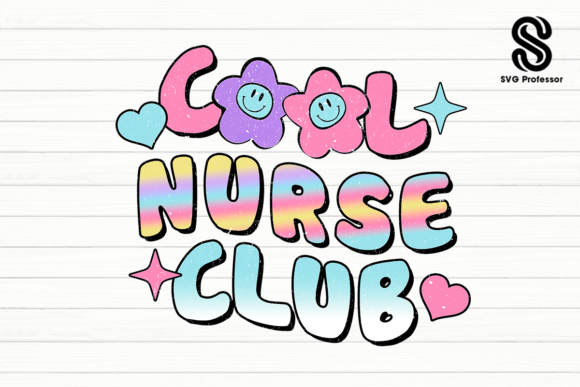
The design itself carries a modern, playful energy. It speaks directly to the nursing community, a demographic that values both professionalism and a sense of camaraderie. The visual personality is bold and clear, which is excellent for sublimation where crisp edges matter. However, when I view this through the lens of an embroidery project, I see potential mixed with caution. The layout suggests a design that would look fantastic on a tote bag or a structured cap if handled correctly. The mood is upbeat and trendy, fitting perfectly into the current wave of personalized gift items and boutique branding.
For an Etsy seller or small shop owner, this graphic offers a ready-made aesthetic that resonates with buyers. But because it is a raster image (PNG) rather than a vector or stitch file, you cannot simply send it to your machine. You must either use it for sublimation printing or manually digitize it if you want actual stitches. This article assumes you are considering using this graphic as a reference for digitizing or as a printed element in a mixed-media handmade product.
Real-World Application: The Custom Sweatshirt Scenario
Let’s walk through a real-life scenario. Imagine a client wants a custom sweatshirt embroidery piece for their nursing graduation. They love the "Cool Nurse Club" vibe. If you were to use this PNG as a reference to create a machine embroidery design, you would need to pay close attention to the details. Since the original file is not an embroidery file, you have the freedom to interpret the shapes. I would recommend simplifying any tiny text or intricate lines to ensure they survive the stitching process.
If you choose to use the PNG for sublimation on a polyester blend shirt, the result will be vibrant and smooth. However, if you are aiming for the textured look of thread, you must convert this graphic into stitches yourself. In this case, the stitch density becomes your responsibility. A dense fill stitch might make the fabric stiff, while a satin stitch could provide that premium, raised look that customers associate with high-quality custom apparel. I recently tested a similar concept on a fleece jacket, and the key was balancing the thread colors to maintain contrast against the dark fabric.
Navigating Fabric and Hoop Constraints
One of the biggest challenges with graphics like this is adapting them to different surfaces. If you are planning an embroidered patch, the rigid nature of the backing material helps support detailed designs. But if you are stitching directly onto a stretchy baby onesie for baby embroidery, you must be careful. The transparent background of the PNG helps you visualize placement, but it does not tell you how the stitches will pull on the fabric.
Always test the design on scrap fabric first. Check your hoop size to ensure the entire motif fits without distortion. For curved surfaces like caps, a smaller, simplified version of the design often works better than the full-scale graphic. Textured fabrics can hide minor imperfections, but thin fabrics may pucker if the stabilizer is not chosen correctly. I always advise using a cut-away stabilizer for garments that will undergo frequent washing, such as scrubs or tote bag design projects that carry heavy loads.
Commercial Viability and Brand Consistency
For commercial embroidery projects, consistency is key. Using a high-resolution PNG allows you to create consistent printable mockup images for your online store before you even stitch a single thread. This saves time and helps you gauge customer interest. However, remember that selling the digital file itself is different from selling the finished item. Always confirm licensing terms. While this asset is great for creating design assets for your own products, ensure you are not redistributing the PNG as a standalone digital download unless explicitly permitted.
The value of a personalized gift lies in its execution. A sloppy stitch-out can ruin the perception of the design, no matter how cute the graphic is. By taking the time to properly digitize or sublimate the Cool Nurse Club Sublimation PNG, you elevate the perceived value of your small shop product. Customers trust brands that deliver clean, professional finishes. Whether it is for holiday embroidery gifts or everyday wear, the clarity of the design translates directly to buyer engagement.
Practical Designer Notes for Best Results
Before you commit to a large batch of finished product items, keep these practical tips in mind:
- Check Thread Color Contrast: Ensure your thread choices pop against the fabric. A dark thread on a dark shirt will get lost, regardless of how good the PNG looks on screen.
- Review Stitch Density: If digitizing, avoid overly dense areas that can cause needle breaks or fabric puckering.
- Test on Scrap Fabric: Never skip the test stitch. It reveals tension issues and registration problems early.
- Inspect Small Details: Tiny elements in the PNG may need to be merged or removed for embroidery viability.
- Confirm Licensing: Verify if the license allows for commercial use of the finished physical items.
In conclusion, the Cool Nurse Club Sublimation PNG is a versatile graphic resource for those who understand its format. It is not a plug-and-play digital embroidery file, but rather a high-quality visual asset for sublimation or a reference for manual digitizing. For the experienced maker, this distinction is an opportunity, not a hurdle. It allows you to apply your expertise in applique design, running stitch techniques, and fabric selection to create something truly unique. Whether you are decorating aprons, pillow covers, or kitchen towels, treating this graphic with the respect it deserves will result in a professional, appealing product that stands out in the crowded marketplace of handmade goods.