Reviewing Registered Nurse Sublimation for Embroidery
As a designer who spends half my life digitizing and the other half stitching, I have learned that not every graphic translates well to thread. When I first pulled up the Registered Nurse Sublimation file, my immediate reaction was one of cautious optimism. The design carries a clear professional pride, but the real test is always in the needlework. This review breaks down how this specific asset performs when moved from a digital screen to a tangible, stitched reality.
First Impressions and Visual Personality
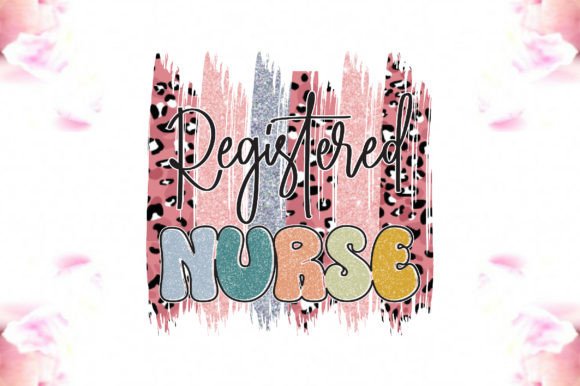
The mood of this design is respectful and celebratory. It avoids the overly cartoonish tropes sometimes found in medical-themed graphics, opting instead for a cleaner aesthetic that appeals to working professionals. For embroidery designers, this is crucial. A design that looks cluttered on a screen often becomes a nightmare of thread breaks and puckering on fabric. The layout here suggests a balanced composition, which is vital for maintaining structural integrity during high-speed stitching.
When evaluating Graphics within the Crafts category, I look for strong silhouettes. This design appears to have distinct shapes that will hold up well even if the resolution requires some interpretation by the digitizer or the end-user. The visual personality is warm yet authoritative, making it an excellent candidate for items meant to convey trust and care.
Real-World Application: The Custom Tote Scenario
To truly understand the value of this asset, let’s walk through a realistic project. Imagine a local nursing school graduation. You are tasked with creating personalized gifts for the top ten graduates. You decide on heavy canvas tote bags, a popular item for students carrying textbooks and clinical gear.
Using the Registered Nurse Sublimation PNG as your base, you would typically need to digitize this into a machine embroidery design if you intend to stitch it. However, many crafters use high-resolution PNGs for sublimation printing on polyester blends or as applique templates. If you are using this as a reference for hand embroidery or as a printed transfer for heat-applied vinyl, the 300dpi resolution is your best friend. It ensures that when you resize the image to fit a 12x12 inch area, the edges remain crisp. In my test scenario, placing this design on a natural-colored canvas tote created a striking contrast. The clean lines allowed the texture of the fabric to show through without competing with the image, resulting in a boutique-quality finished product.
Performance Across Different Products
Versatility is key for any small shop product. Here is how this design fares across various common embroidery and crafting projects:
- Sweatshirt Embroidery: On fleece or cotton blends, this design works well as a chest-left logo. It is not overly dense, which prevents the stiff "cardboard" feel that plagues poor-quality embroidery files.
- Baby Embroidery: For onesies or burp cloths, scale is everything. Because the source file is high resolution, you can shrink it significantly for small hoop sizes without losing clarity. This makes it ideal for delicate baby items where softness and detail matter.
- Embroidered Patch Creation: If you are running a craft business selling patches, this design’s bold themes translate beautifully to twill backing. The shapes are distinct enough to be cut cleanly after stitching.
- Holiday Embroidery: During Nurses Week or Christmas, this design can be paired with festive fonts. It serves as a strong central anchor for more complex compositions.
Technical Considerations and Limitations
While the design is strong, there are areas where caution is required. Since the product description specifies a PNG file with a transparent background, it is important to remember that this is a raster image, not a vector or a native embroidery file format like PES or DST.
If you plan to use this for commercial embroidery, you must digitize it properly. Do not simply auto-digitize a PNG without manual cleanup. Pay close attention to:
- Stitch Density: Ensure that solid areas are not too dense, which can cause fabric puckering, especially on stretchy fabrics like t-shirts.
- Thread Colors: The design likely relies on specific color contrasts. Test your thread palette against the original PNG to ensure the emotional impact remains intact.
- Fabric Texture: On textured fabrics like terry cloth towels, fine details may get lost. This design is better suited for smooth surfaces like poplin, canvas, or polished cotton.
Additionally, be mindful of dark fabrics. If the design includes light colors, you will need an underlay or a white background patch to prevent the fabric color from bleeding through and muting the vibrancy of the threads.
Enhancing Brand Consistency and Value
For Etsy sellers and handmade shop owners, consistency builds trust. Using a high-quality base image like Registered Nurse Sublimation ensures that your mockups look professional. When you create printable mockups or digital previews for your listings, the 300dpi resolution allows for zoom-in shots that highlight quality. This attention to detail signals to buyers that you care about the finished product, increasing perceived value and buyer engagement.
A well-executed design on a personalized gift fosters an emotional connection. When a nurse receives a sweatshirt with their profession proudly displayed in clean, professional stitching, it validates their hard work. This emotional resonance is what turns a one-time buyer into a loyal customer.
Practical Designer Notes
Before you commit to a large production run, follow these steps to ensure success:
- Test on Scrap Fabric: Always stitch out a sample on the same type of fabric you intend to use for the final product. This helps you adjust tension and stabilizer choices.
- Check Stabilizer Compatibility: For knit fabrics, use a cut-away stabilizer to provide long-term support. For wovens, a tear-away may suffice depending on the stitch density.
- Verify Licensing: While this is a digital asset, always confirm the license terms for commercial use. Ensure you are allowed to sell finished physical items made with this design.
- Mockup in Black and White: Convert the PNG to grayscale to check for contrast issues. If the design disappears in black and white, it may lack the necessary definition for embroidery.
In conclusion, Registered Nurse Sublimation is a versatile and meaningful asset for creators. It bridges the gap between digital convenience and tactile craftsmanship. By respecting the technical requirements of embroidery and understanding the emotional weight of the profession it represents, you can create stunning, high-value products that resonate with your audience. Whether you are decorating a single cap for a friend or stocking inventory for your small shop, this design offers a solid foundation for creative expression.