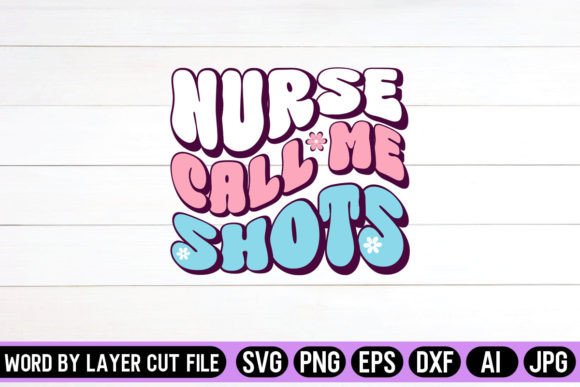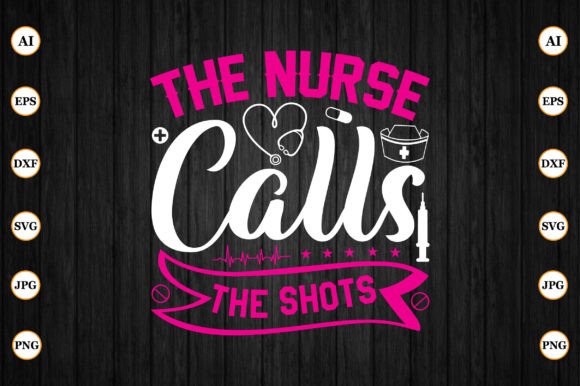
Reviewing The Nurse Calls the Shots for Embroidery
As a designer who has spent years translating digital concepts into thread, I approach every new machine embroidery design with a mix of curiosity and skepticism. We have all seen designs that look stunning on a screen but turn into a tangled mess of broken needles and puckered fabric once they hit the hoop. Today, I am taking a close look at The Nurse Calls the Shots, a digital asset marketed primarily as a cutting file for Cricut and Silhouette users, to determine if it holds up under the unique pressures of needlework.
The first impression of this piece is one of bold confidence. The phrase itself carries a playful yet authoritative tone, perfectly capturing the spirit of modern healthcare professionals. Visually, the layout suggests a strong typographic focus. For those of us working in Crafts and Graphics, we know that text-heavy designs require careful handling. The mood is professional but approachable, making it an ideal candidate for personalized gifts or staff appreciation items. However, moving from a vector graphic to a stitched reality requires us to read between the lines of the file description.
From Vector to Stitch: Assessing Real-World Viability
The product description lists an AI file, an SVG, and a high-resolution PNG at 4500px. It is crucial to note that these are primarily design assets for cutting machines or printing, not native embroidery formats like PES or DST. This does not mean you cannot use them; it means you must digitize them yourself or hire a digitizer. For an experienced embroiderer, this is actually an advantage. It allows you to control the stitch density and direction, ensuring the final embroidery project matches your specific machine’s capabilities.
I recently considered using a similar concept for a custom order: a set of heavy-duty tote bags for a local nursing school’s graduation ceremony. The goal was to create a durable, stylish tote bag design that students would actually use beyond the ceremony. When evaluating The Nurse Calls the Shots for this purpose, I looked immediately at the letter thickness. Thin strokes in a standard font can disappear under a satin stitch or become fragile if rendered in a running stitch. If you are digitizing this SVG, you will need to ensure that the minimum stroke width is sufficient to hold the thread securely without excessive buildup.
Fabric Choice and Application Strategy
The versatility of this design depends heavily on where you place it. For custom apparel like scrubs or t-shirts, the design needs to breathe. A dense fill stitch background behind the text could make the garment stiff and uncomfortable, which is a dealbreaker for medical professionals who wear their clothes for twelve-hour shifts. Instead, I recommend using a clean satin stitch for the lettering with minimal underlay. This keeps the finished product soft and flexible.
If you are creating an embroidered patch to be ironed or sewn onto a jacket, you have more freedom. Patches allow for higher density and the use of sturdy backing materials. In this scenario, The Nurse Calls the Shots could feature bold, raised lettering that stands out against a twill background. This approach adds perceived value and durability, key factors for any small shop product aiming for longevity.
Be cautious with stretchy fabrics. If you are attempting sweatshirt embroidery or working with jersey knits, the tension of the hoop can distort the text. Always use a cut-away stabilizer for garments that will undergo frequent washing and wearing. For baby embroidery projects, such as onesies for a nurse’s newborn, scale the design down significantly. Tiny details may not stitch out cleanly on small hoops, and the comfort of the infant’s skin must remain the priority.
Navigating Technical Challenges
One common pitfall with text-based graphics is the handling of tight corners and small serifs. In the digital SVG, these look crisp. In thread, they can become clumps. When preparing this design, inspect the curves of letters like "S" and "C." You may need to manually adjust the stitch angles to prevent pulling. Additionally, consider the contrast. If you are stitching on dark navy scrubs, a light thread color is essential for readability. Test your thread colors on scrap fabric first. A poor contrast choice can render the witty phrase invisible from a distance.
For holiday embroidery gifts, such as a Christmas ornament or a decorative pillow cover, you can experiment with metallic threads to add a festive touch to the design. However, metallic threads are prone to breaking, so reduce your machine speed and check the tension frequently. This attention to detail separates a hobbyist attempt from a professional handmade product.
Commercial Considerations for Etsy Sellers
If you are an Etsy seller or run a craft business, understanding the licensing of your source files is non-negotiable. The provided files are for cutting and printing. Using them to create physical embroidered items for sale generally falls under fair use if you are digitizing the design yourself, but you must verify the specific terms of the original creator. Never assume that a digital download grants unlimited commercial rights for derivative works. Protect your brand by ensuring your commercial embroidery practices are legally sound.
From a marketing perspective, this design has high "giftability." It appeals to a specific, proud demographic. When creating printable mockup images for your online store, show the design on various items: a cap, a mug wrap (if using the PNG for sublimation), and a tote. This helps buyers visualize the personalized gift potential. High-quality photos of the actual stitched texture build customer trust far better than digital renders alone.
Final Verdict and Designer Notes
The Nurse Calls the Shots is a strong conceptual starting point for embroidery, provided you respect the technical transition from vector to stitch. It is not a plug-and-play embroidery file, but rather a robust graphic resource for those with digitizing skills. To get the best results:
- Digitize the SVG yourself to control stitch types and density.
- Avoid dense fill stitches behind text to maintain fabric drape.
- Use appropriate stabilizers for knit versus woven fabrics.
- Test stitch on scrap material to check for puckering or thread breaks.
- Verify commercial usage rights before selling finished items.
In the hands of a skilled maker, this design can elevate a simple piece of fabric into a statement piece. Whether for a boutique brand or a heartfelt thank-you gift, the key lies in the execution. Take your time, respect the material, and let the quality of your stitching speak as loudly as the design itself.